Oct 12, 2026 —
National School Lunch Week 2026: Engaging Students and Celebrating the Professionals Behind Every Meal
Every school meal is an opportunity to support student health, encourage healthy eating habits, and create a positive school experience.
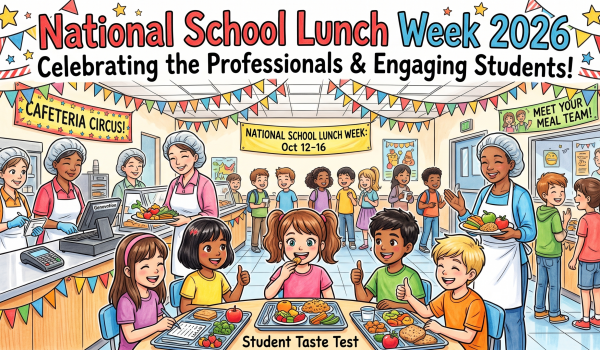
National School Lunch Week, observed October 12–16, 2026, celebrates the value of school meals and the professionals who make them possible.
This year’s theme, “Cafeteria Circus: Where Nutrition Takes Center Stage,” highlights the importance of school nutrition programs. It also offers an opportunity for administrators and nutrition leaders to reflect on student engagement, menu planning, cafeteria operations, and staff recognition.
Making School Lunch More Appealing to Students
Nutritious meals are essential, but getting students excited about what’s on the menu matters, too.
Several factors can contribute to a positive school dining experience:
- Menu variety: Offering different foods alongside familiar favorites.
- Appealing presentation: Making meals inviting and easy for students to navigate.
- Student feedback: Giving students opportunities to share their preferences.
- Food exploration: Introducing new foods in approachable ways.
Student Taste Tests: A Practical Way to Gather Feedback
Taste testing is one way to learn what students think about potential menu items before adding them to regular offerings.
The Centers for Disease Control and Prevention (CDC) identifies taste tests as a strategy schools can use to introduce foods and gather student feedback. See the CDC’s Nutrition Education & Promotion guidance for related school nutrition strategies.
Nutrition teams can offer small samples and ask students about:
- Flavor and texture.
- Appearance and overall appeal.
- Whether they would choose the item for lunch.
- What they might change about it.
Feedback can help nutrition professionals evaluate potential menu additions and make more informed decisions.
Other options include brief surveys, informal conversations, and input from existing student groups.
The goal is to consider student preferences alongside nutrition standards, budgets, food availability, and operational needs. Taste tests won’t guarantee increased participation, but they can provide useful insights into what students enjoy.
Encouraging Healthy Eating Through Positive Mealtime Experiences
School meals give students opportunities to experience balanced meals and explore a variety of nutritious foods.
Repeated exposure to fruits, vegetables, whole grains, and other nutritious options can help students become more familiar with different foods.
Nutrition education can reinforce these experiences by explaining how food supports growth, energy, concentration, and overall health.
The cafeteria environment matters, too. Schools can support positive mealtime experiences by considering:
- Providing sufficient time for students to eat.
- Encouraging welcoming, supportive interactions.
- Connecting nutrition lessons to foods served at school.
- Making nutritious options accessible and appealing.
The CDC’s school meal program guidance provides additional information on supporting healthy eating through school meal environments and nutrition practices.
For administrators, the key takeaway is that nutritious food and a positive dining experience work together to support students.
Celebrating the Professionals Behind Every Meal
School nutrition professionals do much more than prepare and serve food. They manage a wide range of responsibilities that keep meal programs running every day.
Their work includes:
- Planning menus that meet nutrition requirements.
- Preparing and serving meals safely and efficiently.
- Managing inventory, supplies, and budgets.
- Accommodating students’ dietary needs.
- Supporting students’ access to nutritious meals.
These responsibilities require teamwork, expertise, and careful coordination.
The USDA’s Professional Standards for School Nutrition Professionals outline training and qualification requirements for school nutrition personnel.
How Administrators Can Support Nutrition Teams
National School Lunch Week is a timely opportunity to recognize the people behind every meal. That appreciation should continue throughout the year.
Administrators can support nutrition professionals by:
- Acknowledging staff contributions and team accomplishments.
- Sharing positive feedback from students and the school community.
- Including nutrition teams in conversations about student wellness.
- Ensuring staff have appropriate resources and training.
- Recognizing the expertise involved in running a successful meal program.
When nutrition professionals feel supported and their contributions are recognized, school leaders reinforce the importance of nutrition services within the broader school community.
Practical Takeaways for School Administrators and Nutrition Leaders
National School Lunch Week can be a useful reminder to review existing practices and identify opportunities for improvement.
Here are five areas worth considering:
- Gather student feedback. Use taste tests, surveys, or student forums to evaluate menu preferences and identify opportunities to make meals more appealing.
- Review meal participation trends. Look for patterns that may reveal popular offerings or opportunities to improve the dining experience.
- Connect nutrition education to the cafeteria. Use everyday menu items to reinforce healthy eating messages and encourage students to explore nutritious foods.
- Recognize nutrition teams year-round. Celebrate staff contributions and include nutrition professionals in school wellness discussions.
- Evaluate cafeteria technology and checkout workflows. Consider whether existing point-of-sale equipment and student identification processes support an efficient, accessible meal service. Depending on the school’s setup, reviewing these processes may reveal opportunities to improve the checkout experience and help staff manage busy lunch periods. For example, Genovation offers student ID PIN pads and cafeteria accessories, including options for barcode and QR code scanning, that schools can evaluate as part of their cafeteria technology planning. Compatibility with the school’s existing point-of-sale software and workflow should be considered when assessing equipment options.
Reviewing cafeteria technology alongside staffing, training, and service workflows can help administrators identify practical ways to support nutrition teams during busy meal periods.
These steps don’t require a complete program overhaul. They provide practical ways to build on existing efforts while accounting for each school’s resources, nutrition requirements, and operational needs.
Making Every School Meal Count
National School Lunch Week celebrates both the value of nutritious school meals and the professionals who make them possible.
By listening to student feedback, creating positive mealtime experiences, and supporting nutrition teams, school administrators and nutrition leaders can strengthen their programs throughout the year.
Ultimately, successful school meals are about more than what’s on the tray. They’re about supporting students, valuing nutrition professionals, and making every meal count.
Additional Resource: National School Lunch Week 2026
Explore the official National School Lunch Week page from the School Nutrition Association for campaign information, celebration ideas, student activities, and resources supporting the 2026 “Cafeteria Circus” theme.
Additional Resource: Explore School Cafeteria PIN Pad Solutions
Efficient cafeteria operations are one part of creating a positive school meal experience. For administrators and nutrition leaders reviewing their point-of-sale equipment, student identification processes, or cafeteria checkout workflows, Genovation offers a range of school lunch PIN pads and accessories designed for cafeteria environments.
Explore Genovation’s School Lunch PIN Pad Solutions to review available options for student identification and cafeteria checkout. As you evaluate your school’s needs, consider how compatible PIN pad technology can fit into your existing point-of-sale workflow and support daily meal service.
As schools celebrate National School Lunch Week, evaluating the tools that support nutrition professionals is another way to recognize the people and processes behind every meal.